Landscaping Projects in Murfreesboro, TN
A landscaping dumpster rental in Murfreesboro, TN makes yard work faster from the first shovel. Homes all over town sit on thick clay soil, and that soil holds water long after a rain. Wet clay is heavy. So the pile of sod and dirt you pull out of a flower bed weighs far more than it looks. Most folks plan a yard haul by how big the pile looks. The truck cares about the pounds, not the picture.
That one mix up leads to most of the size mistakes we see. A homeowner clears a couple of beds, hauls the debris to the edge of the driveway, and the pile looks small enough for the smallest bin. Then the scale tells a different story once the clay soaks in. Knowing what your project really weighs is what keeps you from paying for space you cannot use.
Yard Debris Weighs More Than It Looks
Yard waste tricks people. A trailer of branches looks huge and weighs almost nothing. A wheelbarrow of wet soil looks small and can top three hundred pounds. When you plan a container, you are really planning around weight.
This matters in Rutherford County because of the clay under most yards. Clay soaks up water and stays damp for days. Dig it out during a wet week and every scoop is heavier. A bin that looks half full can already be at its weight limit. That is why sizing a yard haul by volume alone gets people in trouble.
What Fills a Container on a Landscaping Job
Landscaping debris comes in two families, and they behave in opposite ways. One is bulky and light. The other is dense and heavy. Knowing which one you have the most of tells you how to load and how big to go.
Brush, Branches, and Root Balls
Brush eats space. Branches lock together and leave big air pockets. A pile of limbs can fill a bin fast while barely moving the scale. Root balls are the odd one out here. They carry a lot of soil, so they weigh more than the wood alone. Cut long branches down before they go in. Short pieces stack tight and leave room for the next load.
Soil, Sod, and Rock
Soil, sod, and rock sit at the other end. These are dense and they add up quick. A few square feet of cut sod can weigh a couple hundred pounds once the clay under it is wet. Rock and gravel are worse. If your job is mostly dirt work, you will hit the weight cap long before the bin looks full. Spread heavy material across the floor and do not pile it in one corner.
Picking a Size for Your Yard Haul
Match the bin to your heaviest material, not your biggest pile. Here is how the four sizes shake out for yard work.
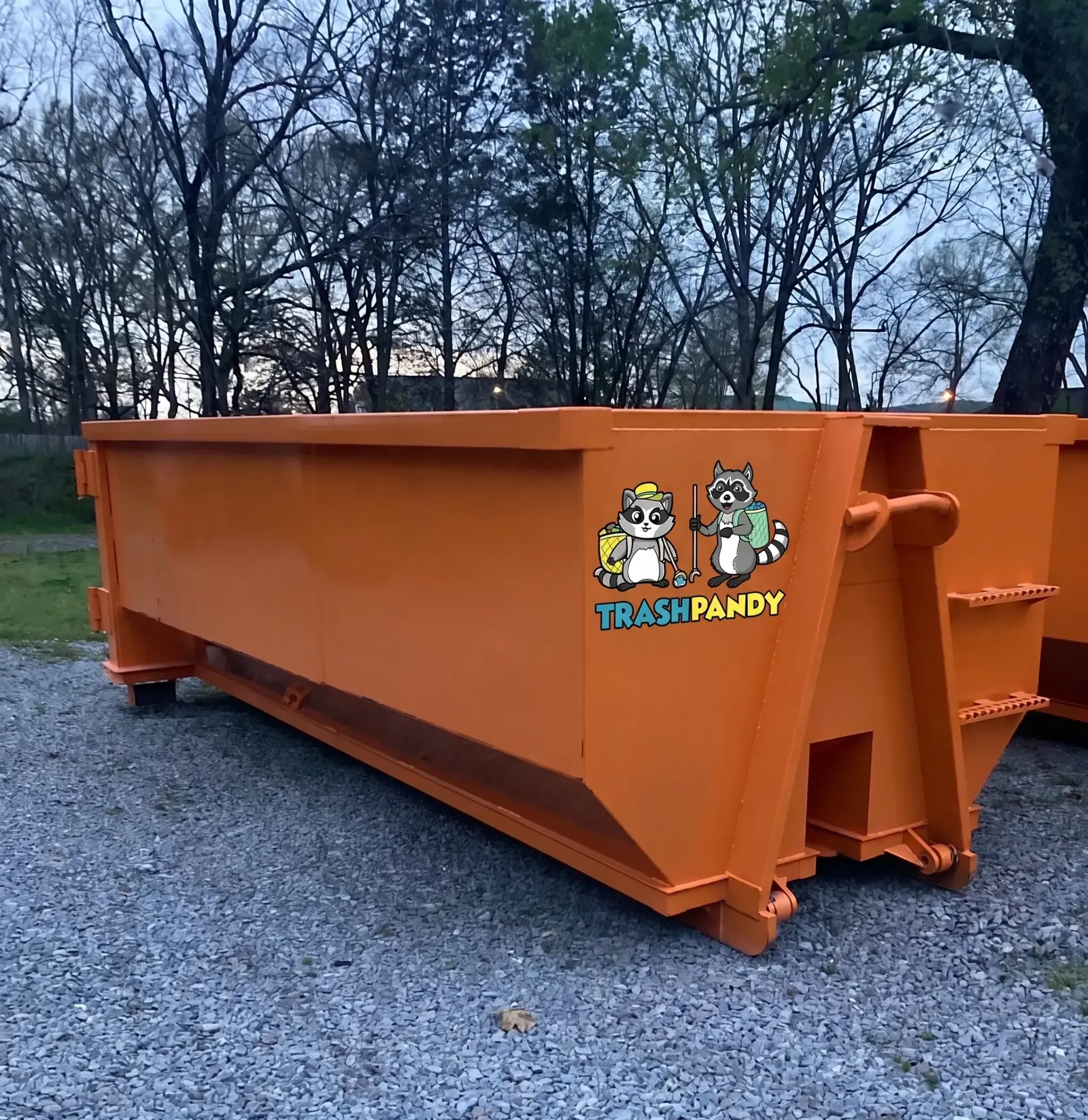
- 7-yard: Holds 7 cubic yards, about 2 pickup loads. Best for small bed cleanouts, a weekend of pruning, or pulling one section of old sod. Handles roughly 1 to 2 tons.
- 10-yard: Holds 10 cubic yards, about 3 pickup loads. Best for a full yard refresh with mixed soil and brush, or a mid size dirt job. Handles roughly 2 to 3 tons.
- 15-yard: Holds 15 cubic yards, about 4 to 5 pickup loads. Best for a big bed overhaul, a large tree and brush job, or a mix of soil and heavy debris that outgrows the 10. Handles roughly 3 tons.
- 20-yard: Holds 20 cubic yards, about 6 pickup loads. Best for a large tear out, heavy tree work, or a whole property reset with lots of light brush. Handles roughly 3 to 4 tons.
If your work is mostly brush, size up for the space. If it is mostly dirt and sod, stay small and mind the weight. A 7-yard bin full of wet clay can already be at its limit, and a 20-yard bin of dry branches may never come close.
Where the Container Sits on a Landscaping Job
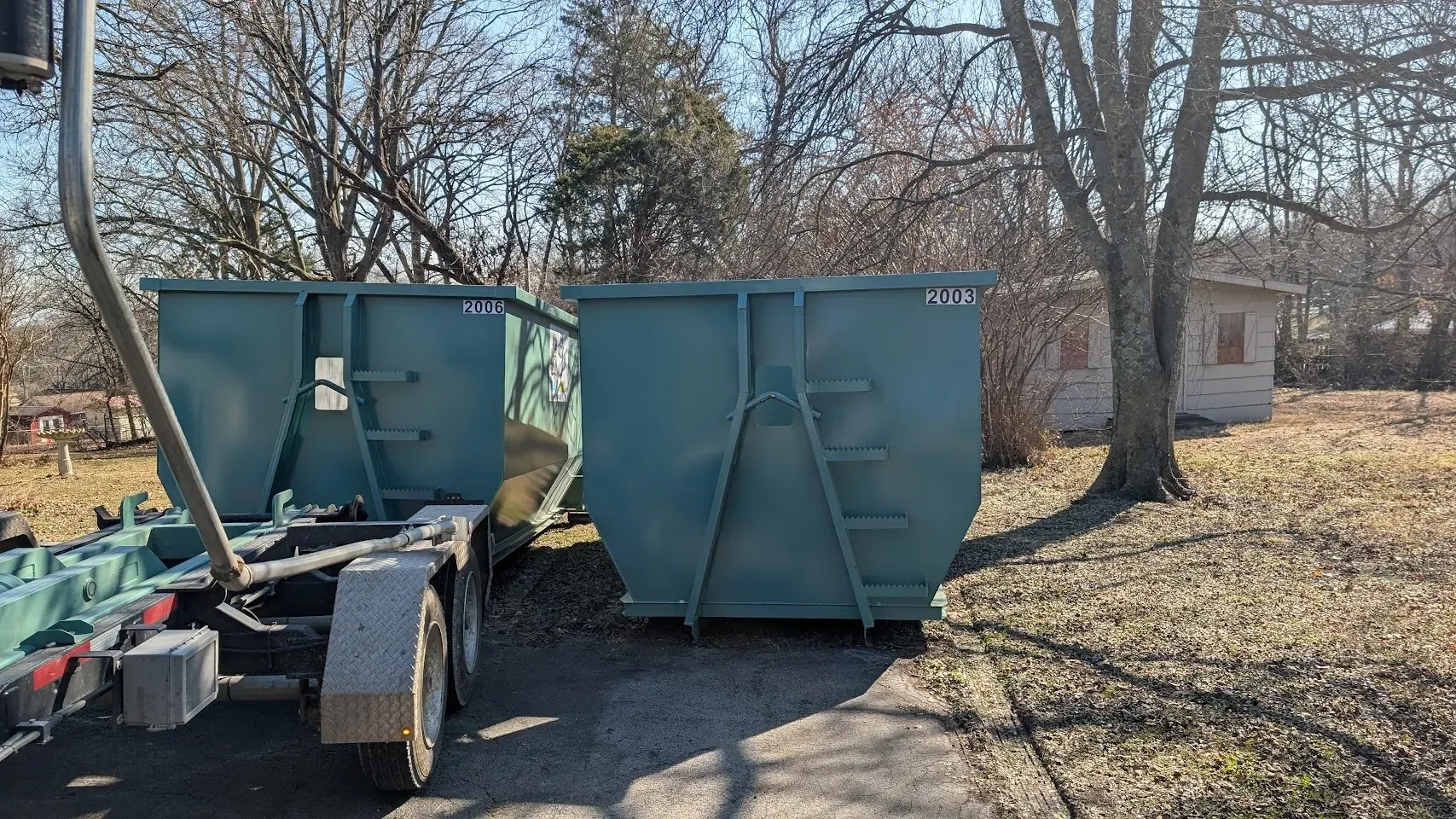
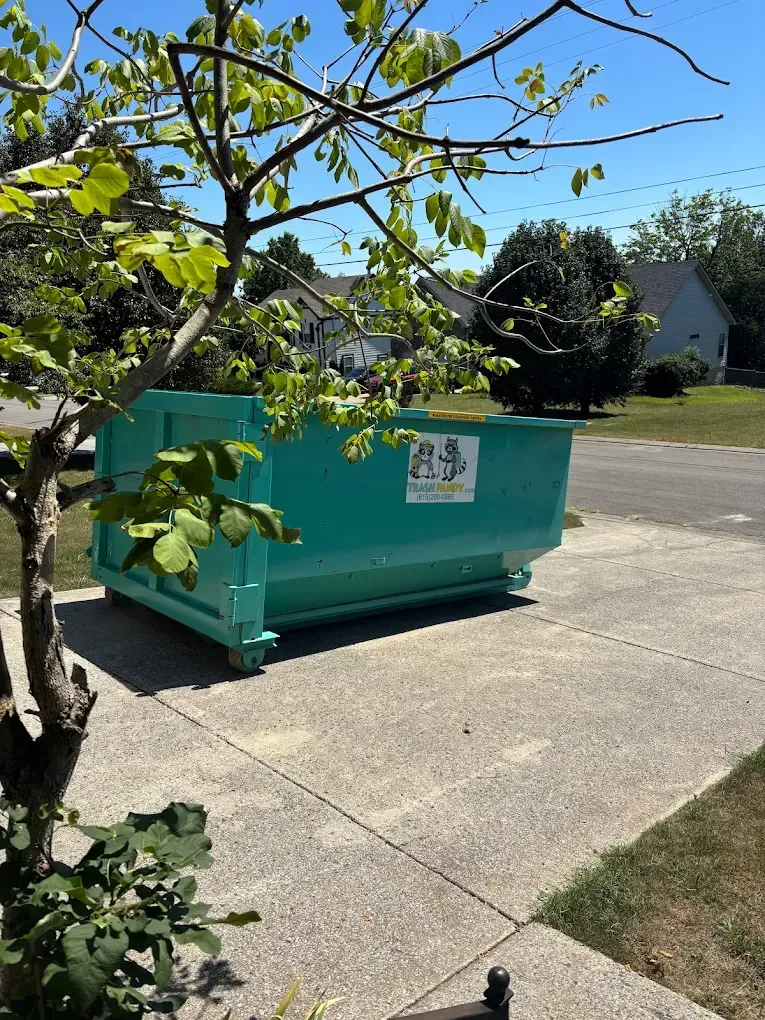
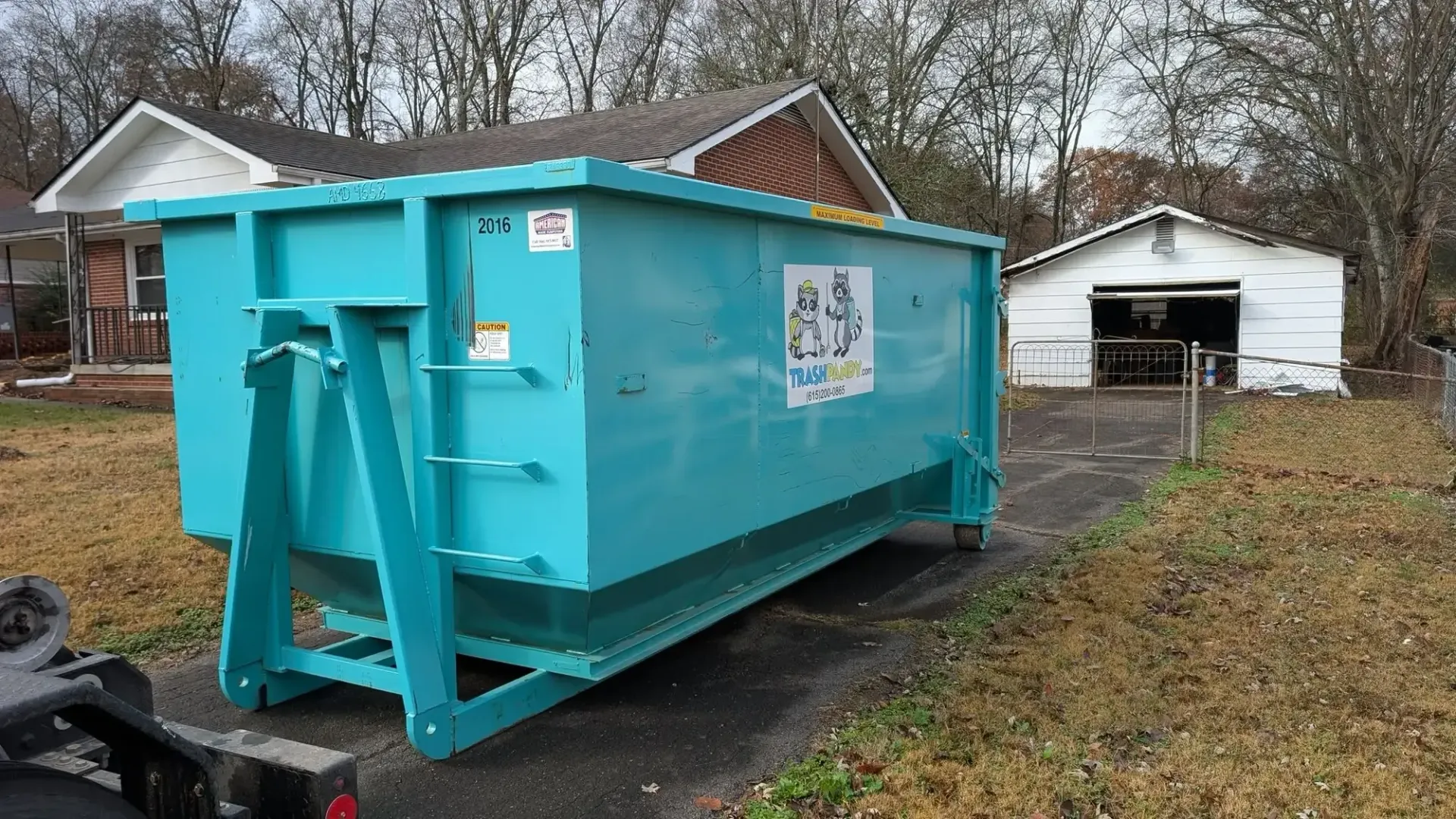
Placement makes or breaks the flow of a yard project. You want the bin close to the work and easy for the truck to reach. Most Murfreesboro homeowners set it in the driveway. That keeps it off the grass and gives the driver a firm spot to drop and grab it.
If you have to put it on soft ground, lay down plywood first. A loaded bin sinks into wet clay and can leave ruts. And a bin on the street may need town approval, so check whether Murfreesboro requires a permit for street placement before the drop day. Leave a clear path. The truck needs room overhead with no low branches or wires in the way.
Think about the walk too. You will carry every branch and shovel of soil from the work to the bin, so the shorter that trip, the less the job wears on you. Set the container between the beds you are clearing and the driveway if you can. A spot that saves you twenty steps per load saves you real time across a full weekend of yard work.
Mistakes That Cost Landscapers Time
The most common mistake is going too big on volume and forgetting weight. People see a huge brush pile, order the 20-yard, then fill the bottom with sod and blow the weight cap with the bin half empty. Now they are paying overage on a container that looks unfinished.
Another one is stacking branches without cutting them. Long limbs create air gaps you can never pack out. You lose a third of your space to holes. And piling everything at the tailgate end throws off the balance, which makes pickup harder. Load low, load flat, and break down the bulky stuff first.
Loading Order That Saves Space
Order matters more than people think. Put your heavy, dense material down first and spread it thin across the whole floor. Dirt, sod, and rock go in the bottom layer. This keeps the weight low and balanced.
Next come your flat, hard pieces like old edging or broken pavers. Then load brush and branches last, on top, where you can crush the air out of them as you go. Cut everything down to size as you load, not after. A little chopping up front saves you a second haul.
Keep the load even from side to side so the bin sits level. A lopsided pile makes pickup harder and can shift on the truck. Work in layers instead of dumping everything in one corner. And stop adding once the material reaches the top rail. A bin heaped over the sides cannot be hauled safely, and the driver may have to leave some behind.
Landscaping Dumpster Questions from Murfreesboro Homeowners
How much does it cost to rent a container for a weekend?
Pricing starts at a flat rate that covers drop off, a set rental window, and pickup. Season, rental length, haul weight, and the type of material all move the final number. We confirm your exact quote at booking so there are no surprises.
Can I put dirt and rock in the same load?
Yes, but keep the pile small and let us know ahead of time. Heavy material hits the weight cap fast.
Will the truck damage my driveway?
Our drivers set bins down with care, and most driveways handle the weight fine. If you are worried about a stamped or older surface, ask us about boards under the bin.
Do I need a permit to leave it on the street?
That depends on the road and your part of town. Some streets need town approval before a bin can sit there, and some do not. Check whether Murfreesboro requires approval for street placement before your drop day. When the bin sits in your own driveway, you almost never need a permit. If you are not sure, call us and we will help you sort out where it can go.
The Size Verdict for Most Yard Projects
For a typical Murfreesboro yard refresh with a mix of brush and soil, the 10-yard is the safe pick. Go to the 7-yard for a small, dirt heavy job where weight is the whole story. Move up to the 15-yard when a big bed or tree job outgrows the 10, and step up to the 20-yard only when you have piles of light brush and tree limbs to move. When in doubt, size by your heaviest material and you will not overpay.
Book a Landscaping Dumpster in Murfreesboro
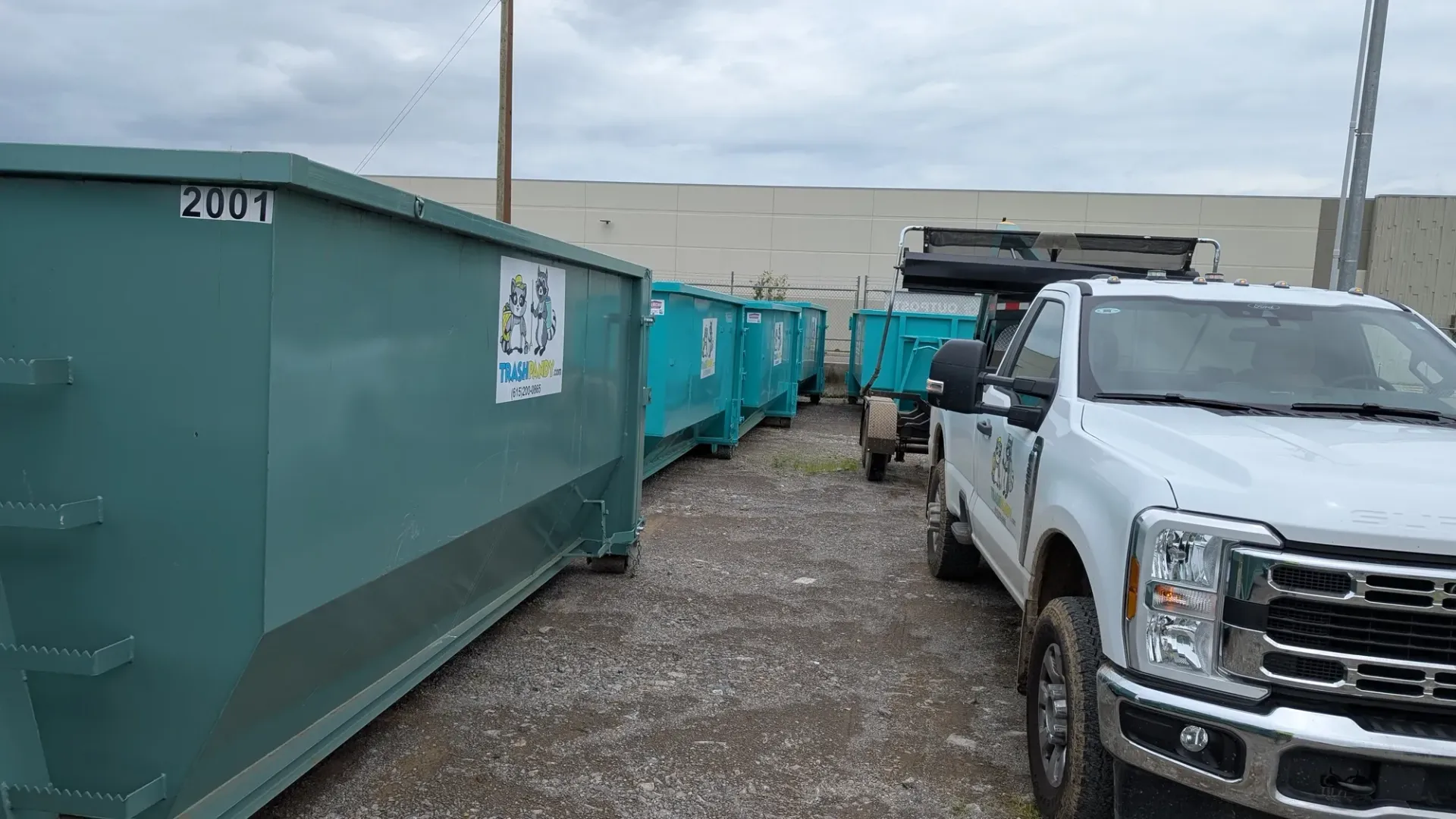
Ready to clear the yard without a dozen trips to the dump? We drop the bin where you need it and haul it away when you are done. You can see our service areas we cover or learn more about Trash Pandy before you book.
Grab the right size for your dumpster rental in Murfreesboro and get to work. Your yard's waiting. So is the truck.