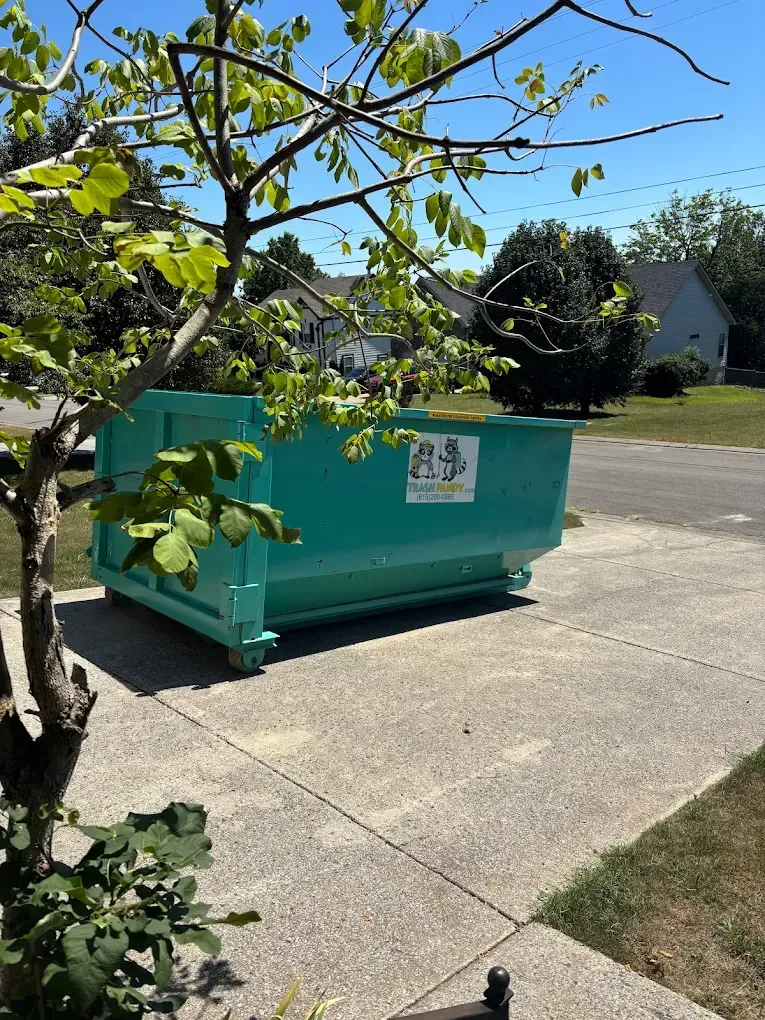
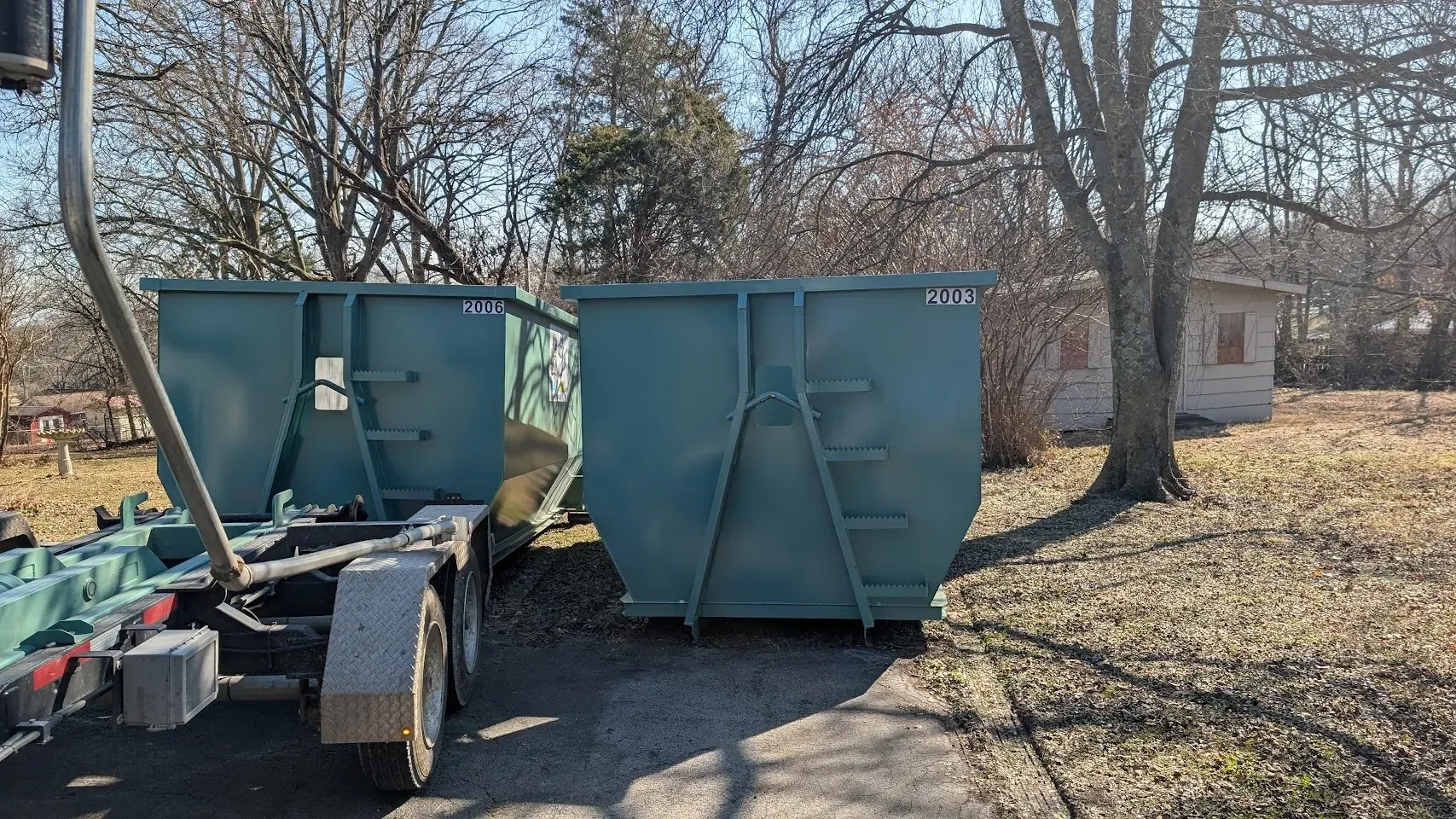
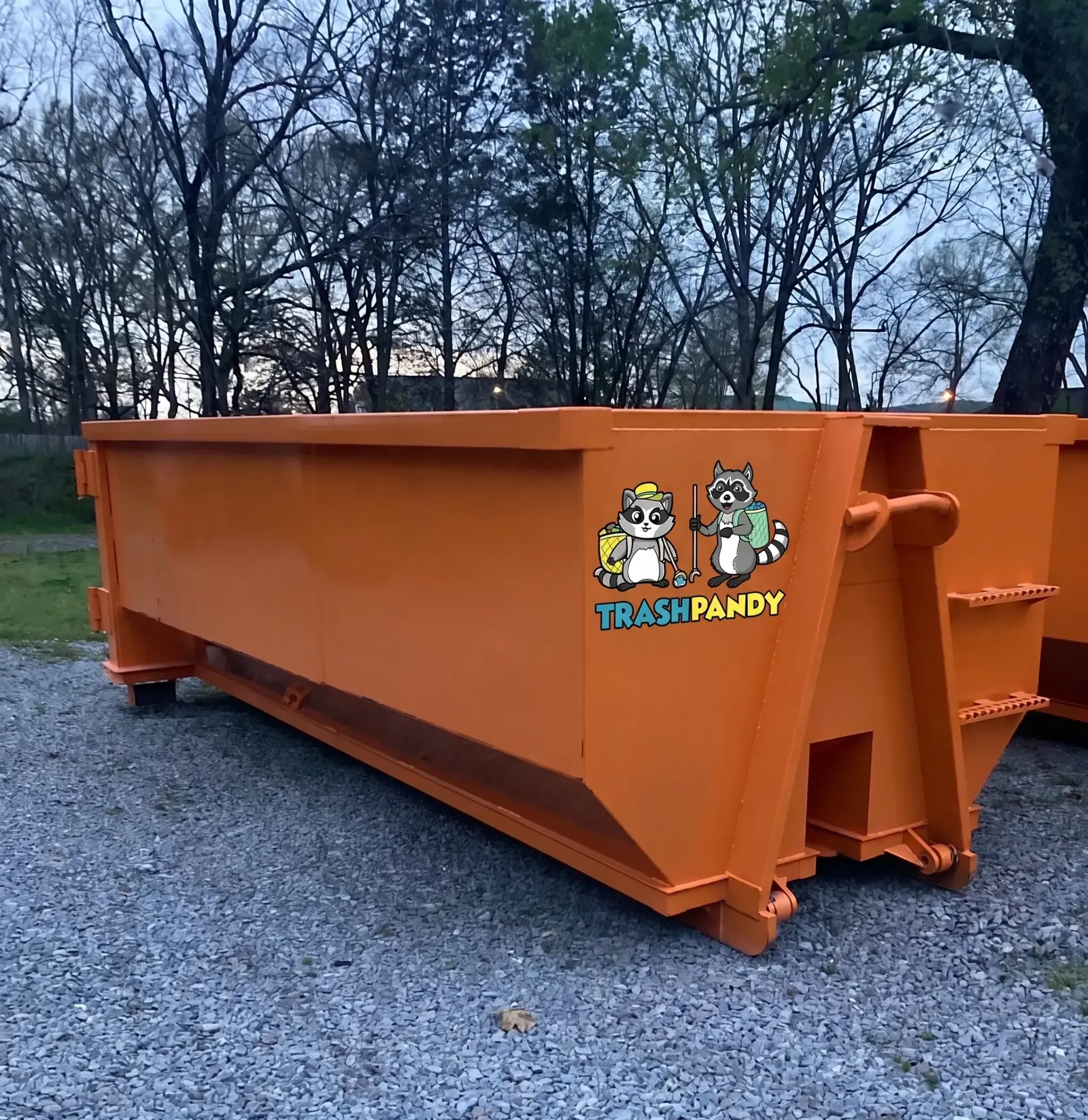
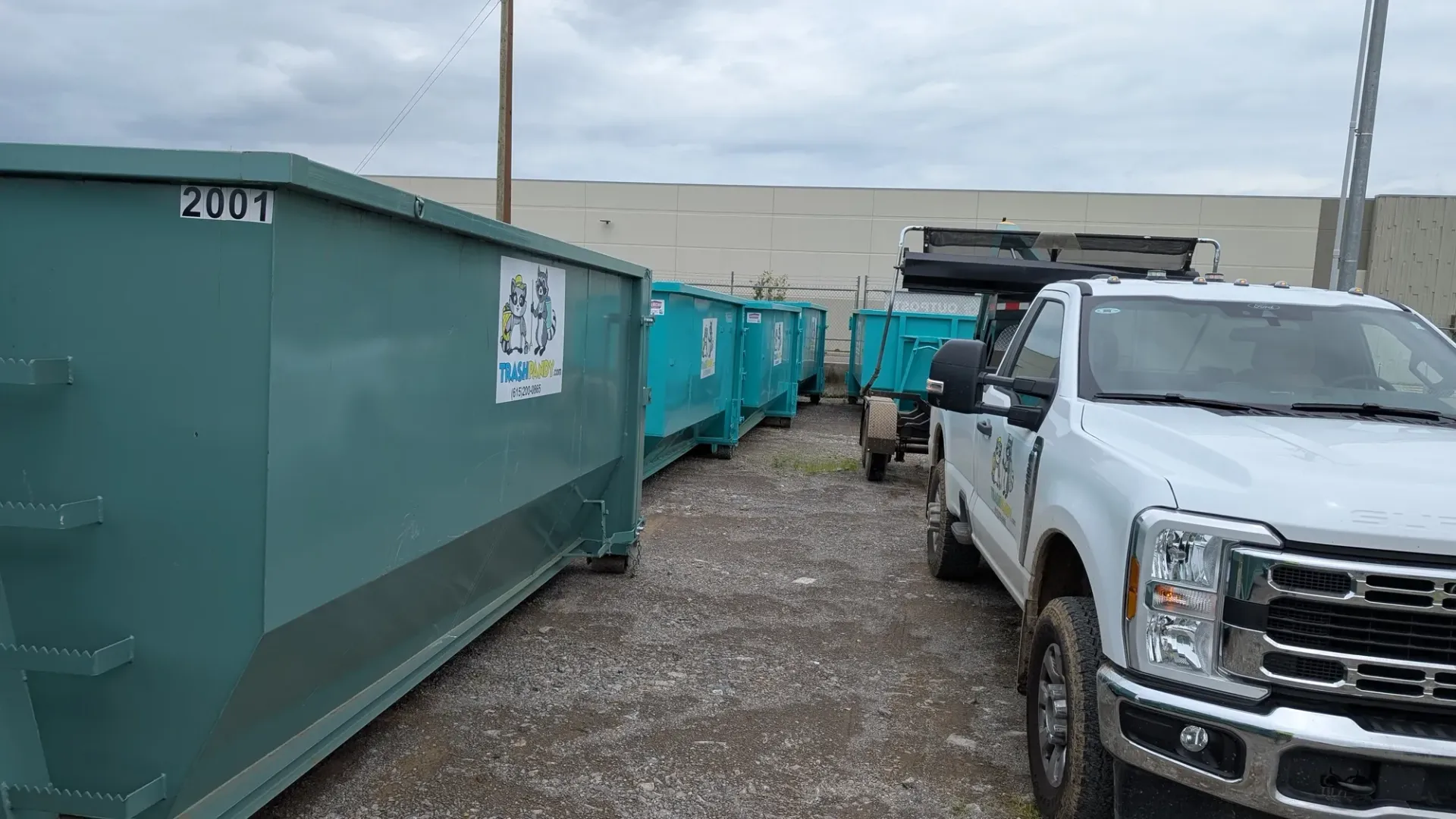
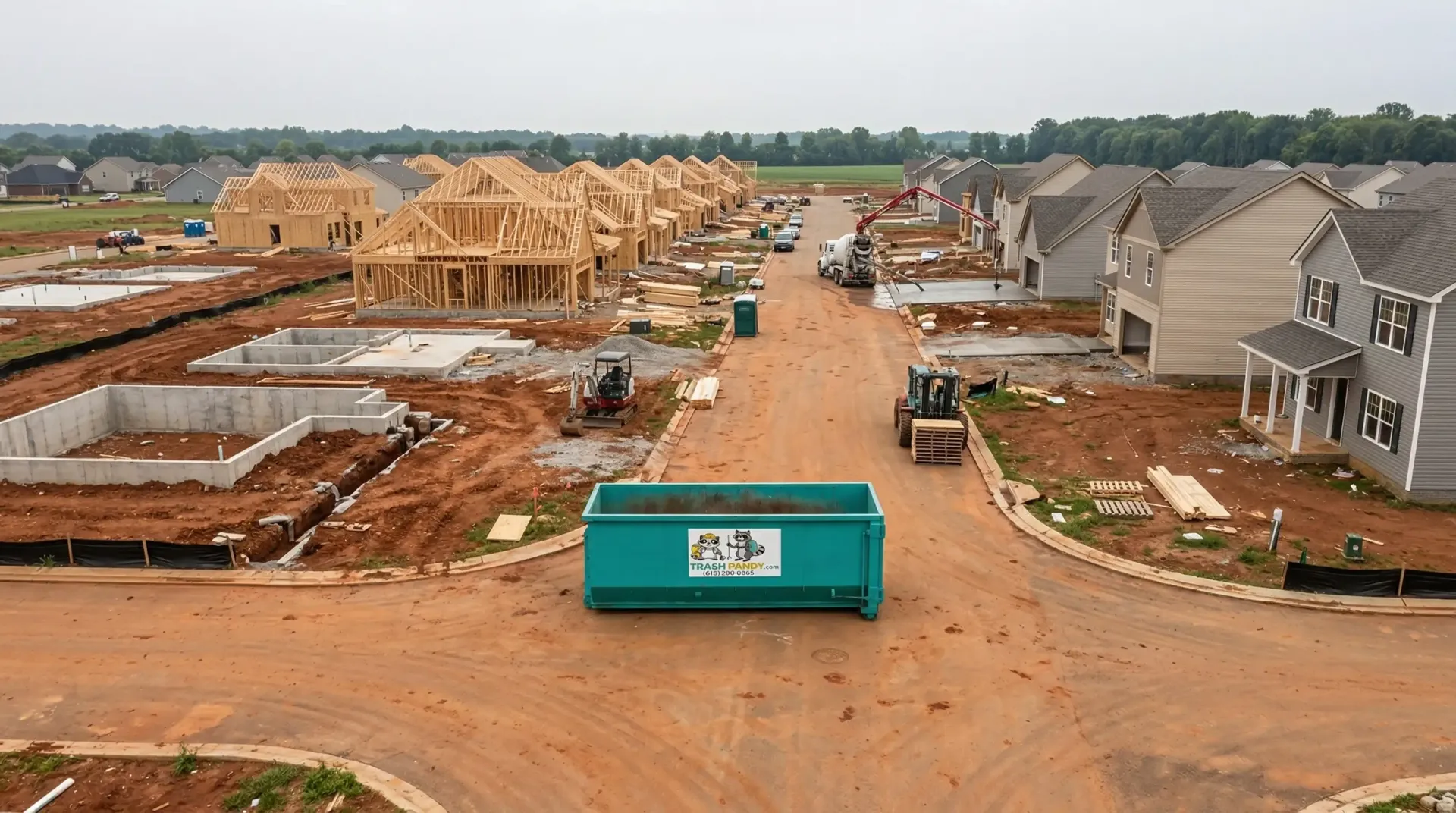
Job Site Cleanup for Builders in Smyrna, TN
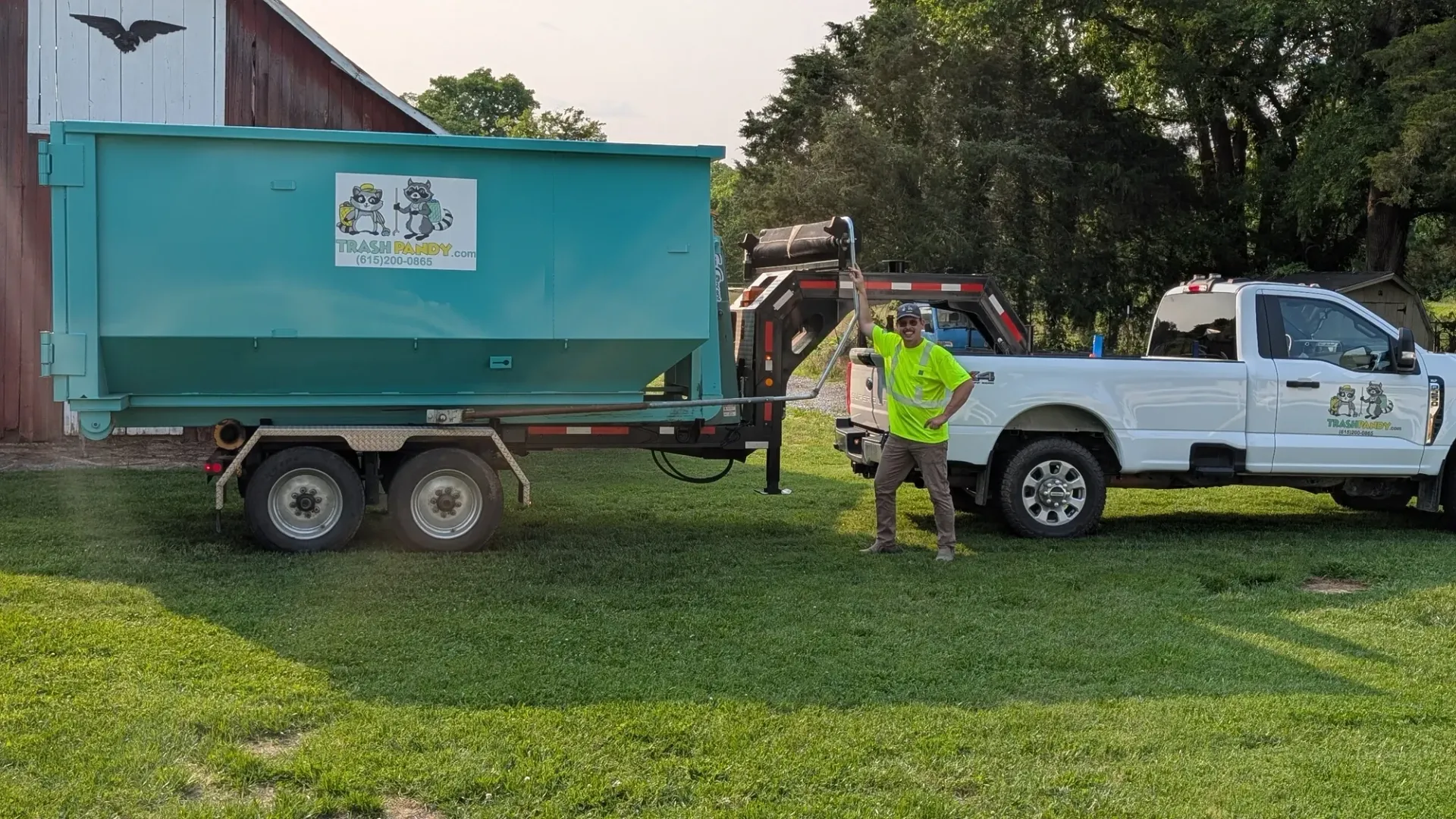
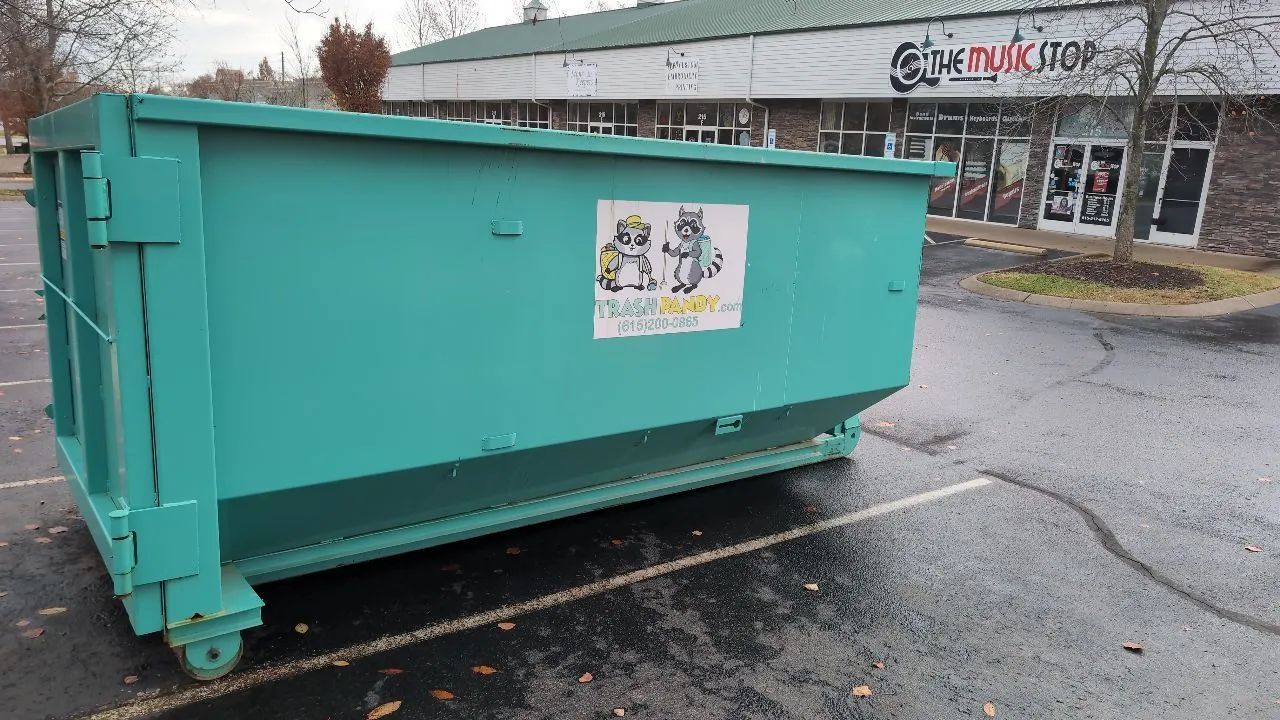
A construction dumpster rental in Smyrna, TN keeps a build moving instead of stalling on trash. Debris piles up fast on a job site. Faster than most crews plan for. One day of framing throws off more scrap than a pickup can carry, and it only grows from there. Rutherford County is building at a steady clip, so new construction crews here run into the same wall again and again. The bin is not just a trash can. It is a workflow tool, and how you time your swaps decides how fast your crew moves.
Get the bin plan right and the whole job feels lighter. Get it wrong and you lose mornings to a pile nobody can build around. What fills a bin changes with every phase, so the size, the placement, and the swap timing all follow from the work in front of you.
Construction Debris Piles Up Faster Than Crews Expect
A clean site is a fast site. When scrap sits in the work zone, subs trip over it, tools go missing in it, and inspections get held up by it. The mess costs you time you never billed for.
The trouble is that debris does not arrive on a schedule. It comes in bursts. Framing day dumps a mountain of cutoffs. Then drywall week buries the floor in scrap board. If your bin fills up mid phase and you have no swap lined up, the pile spills onto the ground and the crew works around it. Planning your container around the build phase keeps that from happening.
What Goes Into a Builder's Container
Construction waste changes as the job moves through phases. What you throw out during framing is nothing like what you throw out during finish work. Sizing your bin means knowing which phase you are in.
Framing Scrap and Sheathing
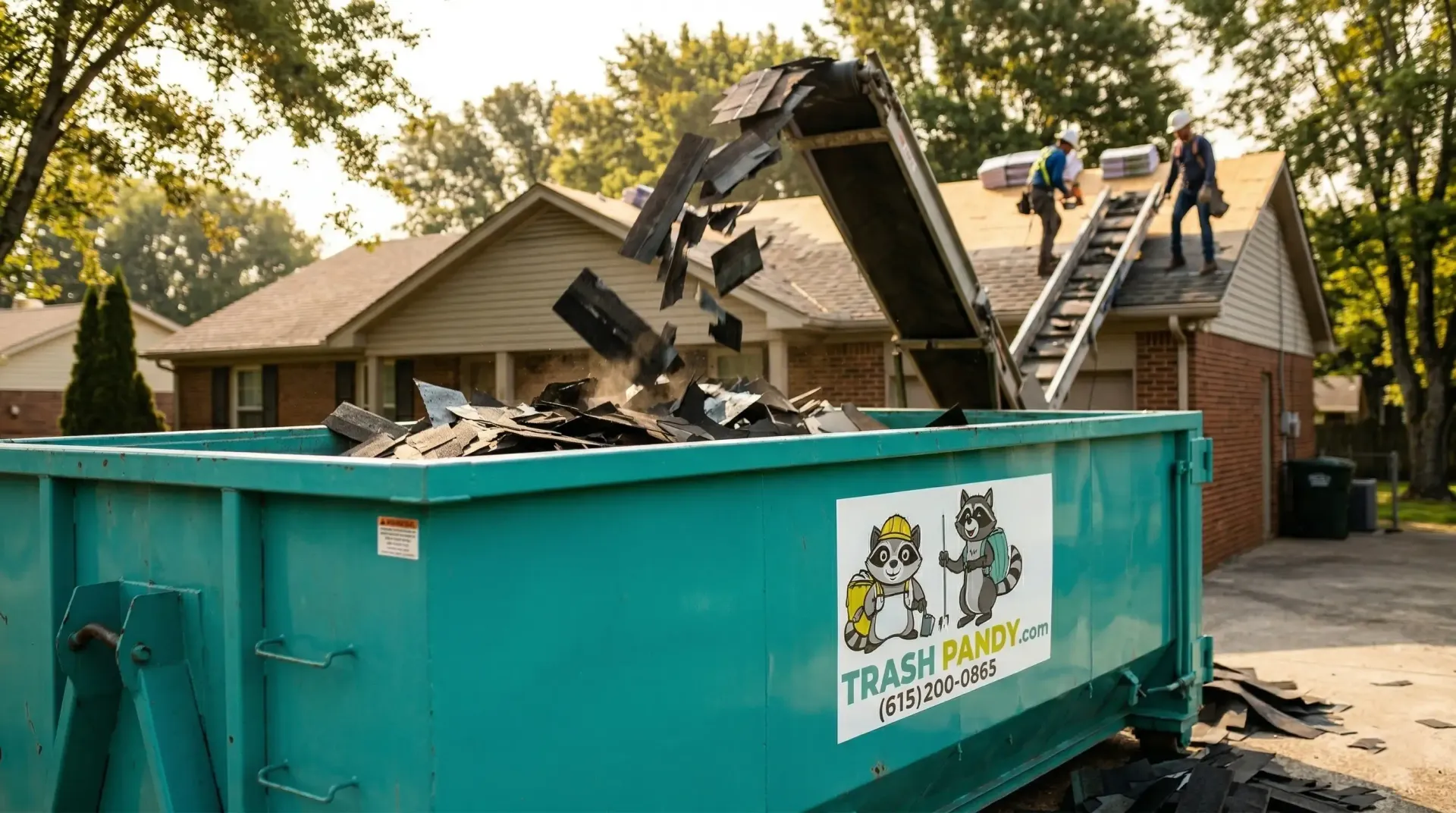
The framing phase is all bulk. Lumber cutoffs, busted sheathing, snapped studs, and banding pile up quick. This stuff is light for its size but it takes up a ton of room. Long boards are the worst offenders. They bridge across the bin and leave dead air under them. Cut cutoffs down as they fall and you will fit twice as much.
Drywall, Trim, and Packaging
Finish phases flip the script. Drywall scrap is heavy and dense. A bin can hit its weight cap on drywall alone while it still looks half full. Add trim offcuts, cardboard, and the mountain of packaging that comes with fixtures and appliances. Break down the boxes flat. Loose cardboard is mostly air and steals space you need for the heavy board.
Sizing a Bin Around Your Build Phase
Pick the size that fits the phase you are throwing out the most from. Here is how the four sizes fit a job site.
- 7-yard: Holds 7 cubic yards, about 2 pickup loads. Best for a small remodel, a punch list cleanup, or a tight lot with no room for a big bin. Handles roughly 1 to 2 tons.
- 10-yard: Holds 10 cubic yards, about 3 pickup loads. Best for a single phase like a drywall haul or a mid size custom build. Handles roughly 2 to 3 tons.
- 15-yard: Holds 15 cubic yards, about 4 to 5 pickup loads. Best for a steady build that outgrows the 10 but does not fill a 20, or a remodel spanning several rooms. Handles roughly 3 tons.
- 20-yard: Holds 20 cubic yards, about 6 pickup loads. Best for full framing weeks, whole house cleanup, or a busy site that fills a bin between swaps. Handles roughly 3 to 4 tons.
Most active builds run best on a 20-yard with scheduled swaps. If your lot is tight or the job is a small remodel, the 10-yard keeps the footprint down. The 15-yard sits in the middle for a build that runs heavier than a 10 but does not need a full 20. The 7-yard is for punch list and finish cleanup when the heavy phases are behind you.
Placement That Keeps Trucks and Subs Moving
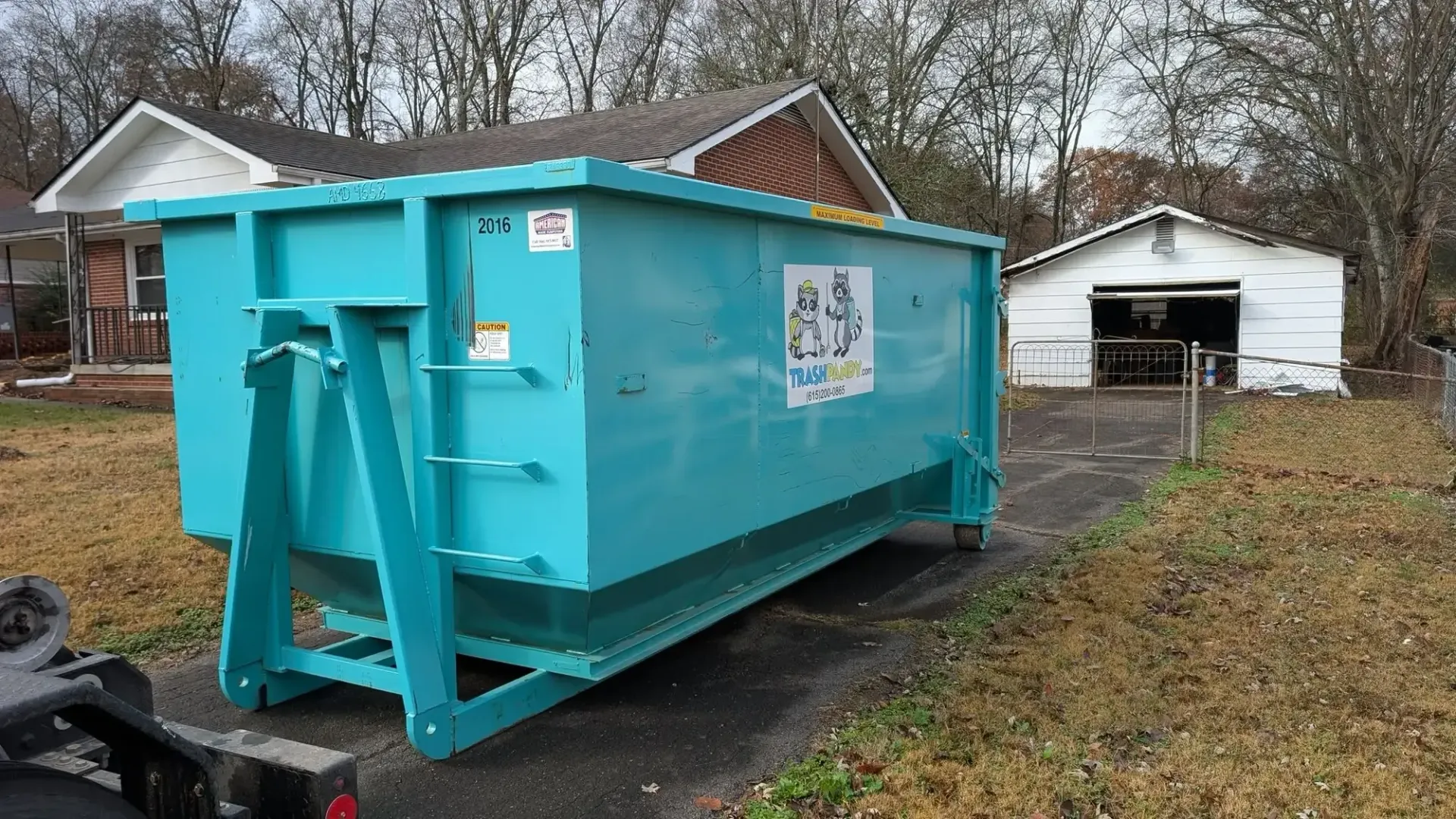
On a job site, bin placement is traffic control. Put it where crews can reach it without crossing the work zone, and where the swap truck can pull in and out clean. A bin in the wrong spot blocks a delivery or forces subs to walk scrap across the site.
Set it near the main work entry but off the drive path for material trucks. Keep the top open and clear of overhead lines. On a fresh lot with soft ground, lay boards under the bin so it does not sink and stall the swap. If the bin has to sit on the road, check whether Smyrna requires approval for street placement before the drop day.
Think about the swap truck before the first drop. It needs a straight shot in and out with room to raise the bin overhead. A spot boxed in by parked trucks or stacked material means the driver waits, and a waiting truck is a slow swap. Leave that lane open. On a build with multiple lots going at once, a bin that is easy to reach is a bin that gets emptied on time.
Mistakes That Slow Down a Job Site
The biggest slip up is waiting until the bin overflows to call for a swap. By then the crew is already working around a pile on the ground, and you have lost half a day. Line up your swaps around your phases before the job starts.
A few more that cost crews real time:
- Tossing long boards in whole, which bridges the bin and wastes a third of the space.
- Mixing banned material into the load, which can get the whole haul rejected.
- Loading heavy drywall high and light scrap low, which throws off the balance for pickup.
None of these are hard to fix. They just need a crew that knows the rules before day one.
Keeping the Site Clean Between Swaps
A steady site beats a big cleanup. Have the crew toss scrap as it falls instead of letting it stack in a corner. Ten minutes at the end of each day beats a lost morning later.
Load the bin the way you would pack a truck. Heavy dense material spread low across the floor, flat pieces next, bulky light scrap crushed down on top. And time your swap so the fresh bin lands the morning your next heavy phase starts. That rhythm keeps the site clear and the crew moving without a single wasted trip.
Give one person on the crew the bin as their call. When they see it nearing full, they schedule the swap before it overflows, not after. That single habit saves more time than any other on a busy site. It turns the container from a problem you react to into a tool you run on your own clock.
Questions Smyrna Builders Ask Before the Drop
How fast can you swap a full container?
Call it in and we get a truck out on a schedule that fits your build. Line up swaps ahead of a heavy phase and the fresh bin can land the same morning the old one leaves.
Is there a weight limit on a construction load?
Yes. Every bin has a weight cap, and dense material like drywall and tile eats into it fast. A bin can look half empty and still be at the limit. That is why we spread heavy scrap low and thin. If your load runs heavy, tell us up front and we will point you to the right size so you do not pay overage.
Which materials do I have to keep out of the load?
Wet paint, solvents, and certain hazardous items cannot ride along. When in doubt, ask before you toss it in.
Does the price change if the bin sits an extra week?
It can. Pricing starts at a base rate for a set rental window, and going past it adds a daily charge. Rental length, haul weight, and material all factor in. We lock your quote at booking.
Which Bin Ends Up on Most Job Sites
For an active Smyrna build, the 20-yard with scheduled swaps is the workhorse. Drop to the 10-yard for a single phase job or a tight lot, reach for the 15-yard when the build runs between the two, and keep the 7-yard in mind for finish and punch list work. Size around your heaviest phase and set your swaps before you break ground.
Get a Container on Your Smyrna Site
Keep your crew building instead of hauling. We drop the bin, swap it on your schedule, and take the mess off your plate. Look over the areas we serve or get to know roll off rental in Middle Tennessee from us.
Set up your dumpster rental in Smyrna before the first truck rolls in. Clean site, faster inspection. That's the whole trick.